For analysts and compliance officers, the 'Control+F' era is over. With over one million filings generated annually between SEC and SEDAR+, manual keywords can no longer keep pace with market volume. Traditional approaches to disclosure analysis once involved downloading PDFs from regulatory sites and manually reading dozens of filings. That era of “print, search, scroll” has been overtaken by platforms that turn plain documentation into actionable intelligence. This evolution matters because regulatory disclosures are more than compliance checkboxes. They accelerate the extraction of key governance and risk data. Turning disclosures into insights has become essential for investment analysts, legal teams, compliance officers, accounting professionals, corporate decision makers, and regulatory agencies.
Today AI-driven platforms such as Avantis are redefining what disclosure analysis means. Through a combination of expansive data coverage, advanced search and AI content analysis, real-time monitoring and alerts, and tools to surface patterns and risk indicators, what was once an exercise in information retrieval is now a discipline in strategic intelligence.
For decades, professionals have relied on public repositories such as the U.S. SEC’s EDGAR system or Canada’s SEDAR (now SEDAR+) to retrieve regulatory filings. These repositories publish financial statements and disclosures submitted by public companies, including annual and quarterly reports, insider trading reports, governance disclosures, risk factor sections, contracts and agreements, and other mandated filings. While these databases provide essential access to raw information, their structure presents practical challenges:
Analysts traditionally combed through PDFs, manually extracting relevant sections such as MD&A narrative, risk factors, or auditor disclosures. While this work remained foundational, it was slow, error-prone, and limited by human capacity. It also left little room for comparative, historical, or cross-issuer analysis without significant spreadsheet work. These limitations drove demand for more advanced tools capable of indexing, searching, and interpreting disclosure content at scale.
At the heart of this transformation is a shift from document retrieval to disclosure intelligence. Rather than simply finding filings by form type or date, modern platforms enable users to ask questions in human language, uncover patterns across millions of documents, and generate insights with fast retrieval, advanced filtering, and contextual analysis. Avantis exemplifies this next generation of tools. It is an AI-powered market intelligence platform designed to unlock insights hidden within regulatory filings, corporate disclosures, financial data, and market signals. By combining deep datasets with advanced search tools, AI analysis, and real-time alerts, Avantis transforms raw documentation into meaningful intelligence.
Unlike traditional workflows that require manual PDF downloads from multiple sites, Avantis aggregates public disclosure data into a unified platform. Users gain access to:
This integration allows professionals to pivot quickly between raw filings, corporate metrics, and market events, enabling richer analysis without switching platforms.
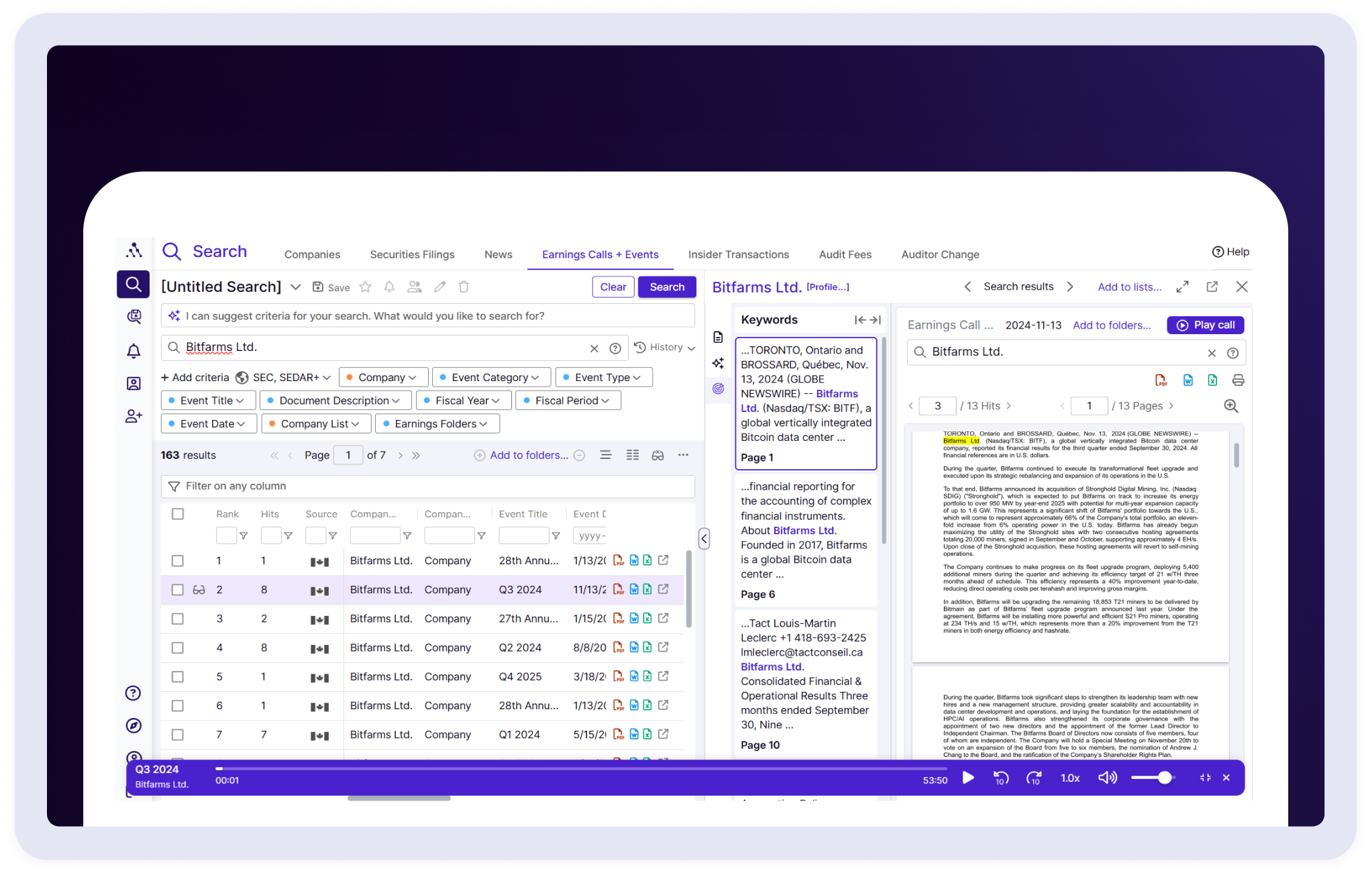
One of the core headaches of PDF-based research is finding exactly what matters. With tens of millions of documents, speed matters. Avantis uses advanced search and discovery tools with customizable filters that allow users to locate precise information across datasets efficiently. Analysts can craft search criteria that span jurisdictions, data types, and timelines.
Strategies may include:
The result is not just faster retrieval. It is retrieval that is relevant to the questions teams need to answer.
Retrieving documents is only the first step. In a world of tens of thousands of filings per issuer, the real power lies in extracting meaning. Through AI content analysis tools, Avantis can parse unstructured text and identify trends, risks, and key metrics embedded within large volumes of narrative and tabular data. These capabilities help users:
With AI analysis, disclosure data becomes a source of strategic insight, not just compliance records.
Regulatory disclosure is not static. A material event can occur at any moment in the form of an 8-K, a management change, an insider transaction cluster, or a risk disclosure buried in a quarterly filing. Avantis addresses this need with configurable real-time monitoring and alerts that notify users when new data matches their criteria.
These alerts turn manual checking into automated vigilance. Professionals across compliance, risk, legal, and investment teams can respond to events as they happen rather than after the fact. This capability reduces blind spots, accelerates workflows, and integrates disclosure signals into operational decision-making.
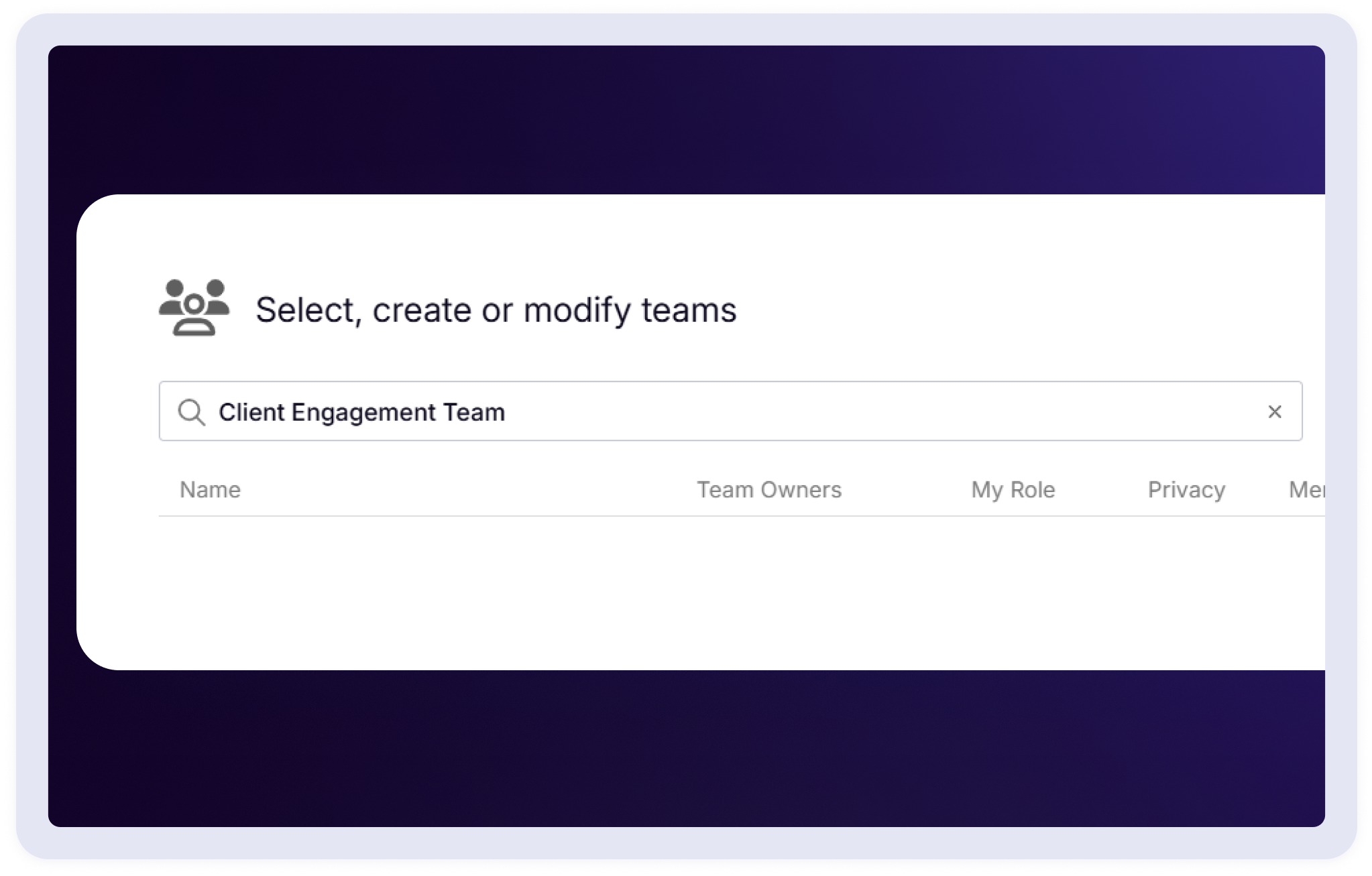
Regulatory analysis is rarely a solo activity. Teams need to share findings, track decisions, and ensure audit trails. Avantis supports secure collaborative research, allowing analysts to annotate filings, share search results, and maintain version control within one environment.
This collaborative layer is essential for teams that need to coordinate compliance reviews, investment memos, risk reports, or regulatory submissions.
The shift from PDF downloads to AI-driven platforms represents more than a productivity hack. It fundamentally changes the role of disclosure analysis within organizations. Where once the task was simply to locate and read documents, today’s teams leverage disclosure intelligence to:
Instead of spending hours hunting for relevant sections in PDFs, professionals can ask plain-language questions of an AI system, receive citations back to the source documents, and act on insights that previously took weeks to compile.
As regulatory complexity grows, manual workflows will become less tenable. Platforms such as Avantis are leading the move toward real-time, AI-assisted, collaborative disclosure intelligence. These tools transform raw filings into strategic assets, making insights more accessible, timely, and actionable. For professionals across investment management, corporate governance, law, accounting, consulting, and regulatory oversight, the transition from PDF-centric workflows to data-driven insight engines is not just efficiency, it is a competitive necessity.

Ready to optimize your market research process?
Contact Avantis today for a personalized overview and free trial.

 Get Started with Avantis for Free
88 Queens Quay West, Suite 2500, Toronto, ON, Canada M5J 0B8

(289) 803-8222
© 2026 Avantis AI Inc.