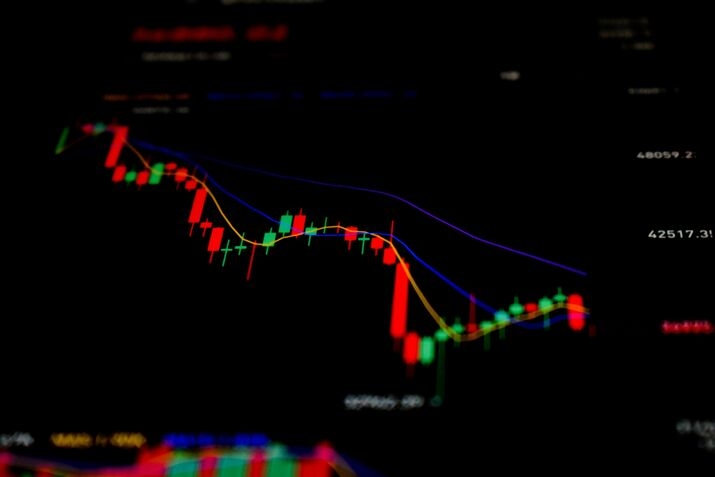
Market volatility has become a familiar part of the investment landscape for Canadians. From fluctuating commodity prices to shifting interest rate expectations and global geopolitical events, investors are facing frequent market swings that test both patience and strategy. While volatility can create opportunities, it also introduces risk, which is why protecting a portfolio is essential for long term financial health. Fortunately, there are clear principles and practical steps that Canadian investors can use to stay resilient.
Volatility often reflects uncertainty. In Canada, this uncertainty can stem from several key sources. The country is heavily tied to natural resources, especially oil and gas, which means global supply and demand changes can ripple quickly into the Canadian market. Interest rate changes by the Bank of Canada also play a major role since they affect borrowing costs, housing markets and business investment. Global events add another layer of unpredictability, from shifts in trade policy to economic slowdowns in major regions. Knowing what drives volatility helps investors avoid emotional decisions. Short term noise is inevitable, but long term trends tend to reward patience and discipline. For Canadian portfolios, understanding how sectors are represented can help identify concentration risk, especially when certain sectors dominate domestic indices.
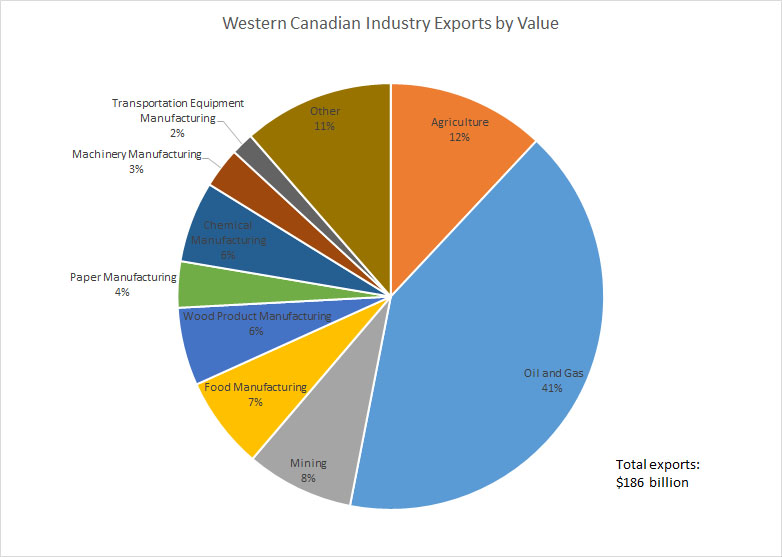
Diversification is one of the most effective tools for navigating uncertain periods. Canadian investors sometimes hold portfolios that are overweight in domestic equities, especially resource and financial sectors. This can lead to concentration risk. Spreading investments across different sectors, regions and asset classes helps reduce exposure to any single market event. Equities, bonds, real estate investment trusts and global funds all react differently to market forces. By combining them, investors can smooth returns over time. Diversification does not eliminate risk, but it helps moderate its impact and provides more stable growth potential.
When markets become turbulent, high quality investments often demonstrate greater resilience. Companies with strong balance sheets, consistent cash flow and sustainable competitive advantages tend to manage downturns better than highly leveraged or speculative firms. Defensive sectors such as utilities, consumer staples and healthcare can provide stability since demand for these services remains steady regardless of economic cycles. Government bonds and investment grade corporate bonds can also act as ballast during equity market declines. Building a mix of growth oriented and defensive assets helps provide both upside potential and a degree of protection.
One of the most common mistakes during volatile periods is attempting to time the market. Moving in and out of investments based on fear or headlines can lock in losses and cause investors to miss recoveries. History shows that some of the strongest market rebounds occur shortly after large declines. Missing even a few of the best days can significantly reduce long term returns. A disciplined investment plan, supported by automatic contributions or dollar cost averaging, helps investors stay consistent regardless of short term conditions. Focusing on long term goals rather than immediate market movements keeps emotions in check.
Periodic rebalancing is another key strategy. Over time, market movements can cause a portfolio’s allocation to drift from its intended target. Rebalancing helps bring it back in line by trimming assets that have grown disproportionately and adding to those that have lagged. This process reinforces disciplined decision making and reduces unintended risk. Investors may also consider tools such as guaranteed investment certificates, high interest savings accounts or low volatility funds to reduce risk while maintaining exposure to growth opportunities.
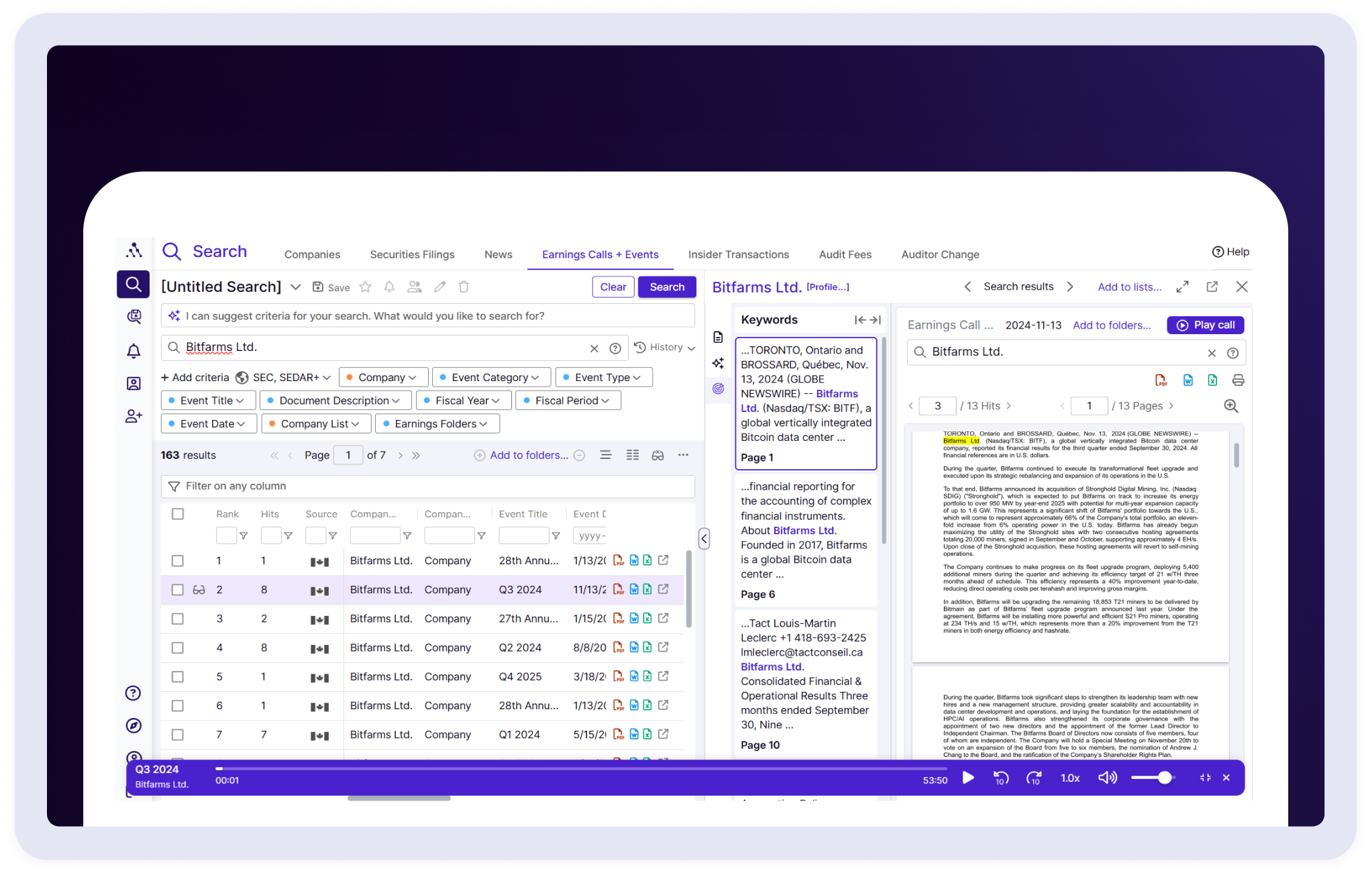
Navigating volatility can feel overwhelming, which is why many investors turn to trusted resources for guidance. Access to high quality research, data driven insights and reliable portfolio tools can help Canadians make more confident decisions. Taking advantage of modern technology and financial literacy resources can improve outcomes and reduce anxiety during uncertain periods.
For more information on technology designed to support financial decision making, you can book a demo to learn about Avantis or sign up for a free trial.

Ready to optimize your market research process?
Contact Avantis today for a personalized overview and free trial.

 Get Started with Avantis for Free
88 Queens Quay West, Suite 2500, Toronto, ON, Canada M5J 0B8

(289) 803-8222
© 2026 Avantis AI Inc.