In complex industries like mining, energy, and infrastructure, compliance isn’t just about meeting regulations, it’s about anticipating risk before it escalates. Traditionally, organizations have relied on change detection, identifying issues after they occur. But in today’s high-stakes regulatory environment, that reactive approach is no longer enough. A new paradigm is emerging: early warning systems powered by AI. Instead of simply detecting changes, these systems identify subtle signals, flag anomalies, and enable proactive intervention. At the forefront of this shift is Avantis, helping organizations move from reactive compliance to predictive risk management.
Change detection has long been a core tool in compliance monitoring. Whether it’s satellite imagery, environmental data, or operational reporting, the goal is to identify deviations from expected conditions. But there’s a fundamental limitation. By the time a change is detected, the issue has often already occurred. This creates several challenges:
In industries where compliance violations can halt operations or trigger significant fines, reacting after the fact is simply too late.
Early warning systems go beyond detecting changes, they interpret patterns. By analyzing large volumes of structured and unstructured data, AI can identify anomalies that humans might miss. These systems draw from multiple data sources, such as:
Instead of waiting for a threshold to be crossed, AI models continuously learn what “normal” looks like and flag deviations in real time. This shift transforms compliance from a static checklist into a dynamic, continuously monitored system.
Not all anomaly detection is created equal. To be truly effective, an early warning system must deliver:
1. Contextual Awareness - A spike in emissions or a change in land use may not always indicate a problem. AI must understand the operational and regulatory context to distinguish between acceptable variation and true risk.
2. Real-Time Monitoring - Timeliness is critical. Alerts must be generated early enough to allow corrective action before a violation occurs.
3. Actionable Insights - Flagging anomalies is only useful if teams know what to do next. The system should provide clear explanations and recommended actions.
4. Scalability - Large organizations manage multiple sites and assets. An effective system must scale across geographies and regulatory frameworks.
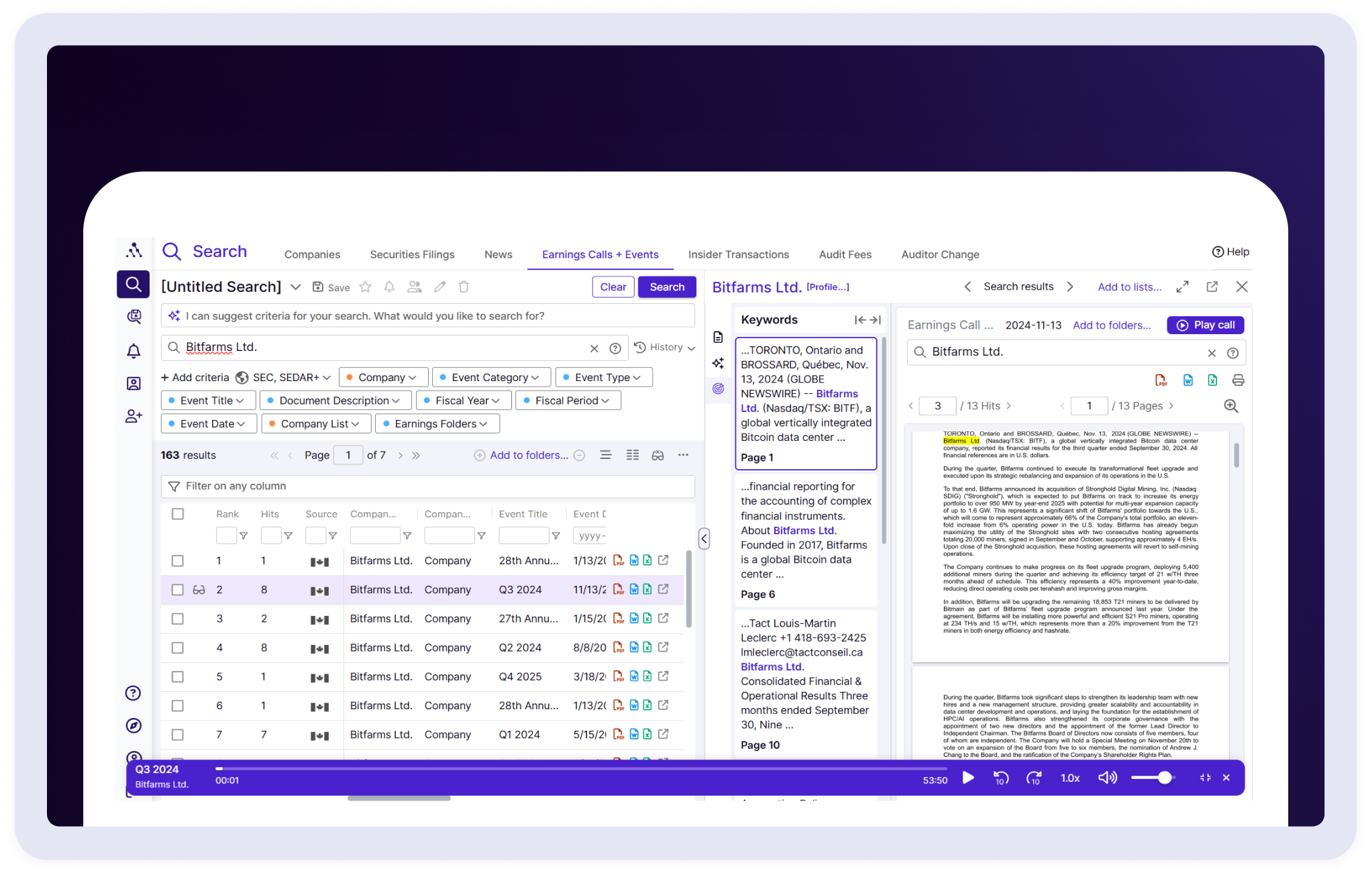
Avantis AI helps organizations move from reactive compliance management to continuous monitoring of the issues that matter most to their operations. Avantis constantly monitors incoming disclosures, reports, and operational data against user-defined compliance priorities and risk indicators. This includes:
The result is a system that not only informs but also alerts teams to relevant developments, provides supporting context, and helps guide timely response.
The value of early warning systems is best understood through their impact on day-to-day operations:
Reduced Compliance Risk - By catching issues early, organizations can take corrective action before regulators get involved.
Lower Operational Costs - Preventing problems is significantly cheaper than fixing them after escalation.
Improved Regulatory Confidence - Demonstrating proactive monitoring builds trust with regulators and stakeholders.
Faster Decision-Making - With real-time insights, teams can respond quickly and confidently.
Enhanced ESG Performance - Early detection supports stronger environmental and social governance outcomes—an increasingly critical factor for investors.
Organizations using Avantis gain a competitive edge by shifting from reactive compliance to predictive intelligence. As regulatory expectations increase and projects become more complex, the demand for proactive solutions will only grow. Organizations that continue to rely solely on traditional change detection risk falling behind. With platforms like Avantis, compliance becomes not just a requirement, but a strategic advantage. By identifying risks before they materialize, organizations can operate with greater confidence, efficiency, and resilience.
1. How is Avantis different from traditional change detection tools?
Traditional monitoring tools often require users to manually search for relevant developments. Avantis continuously tracks information sources and alerts teams when new disclosures, reports, or events match their predefined areas of interest. Rather than predicting future compliance violations, Avantis helps organizations stay informed about emerging developments by surfacing relevant information, related examples, and supporting context as soon as it becomes available.
2. How does Avantis AI detect anomalies?
Avantis searches public filings and disclosures to identify language, events, and patterns that match user-defined topics or risk criteria. Rather than independently detecting operational anomalies, teams use Avantis to monitor for known issues, comparable disclosures, and emerging language across public company filings.
3. What industries benefit most from early warning systems?
Industries with complex regulatory environments like mining, energy, and infrastructure, as well as the professional services firms that support them benefit the most, as early detection helps prevent costly compliance issues and operational disruptions.

Ready to optimize your market research process?
Contact Avantis today for a personalized overview and free trial.

 Get Started with Avantis for Free
88 Queens Quay West, Suite 2500, Toronto, ON, Canada M5J 0B8

(289) 803-8222
© 2026 Avantis AI Inc.